Greetings Tree: A Craft Fair-Ready Christmas Embroidery Design
First Impression: Festive, Friendly, and Booth-Ready
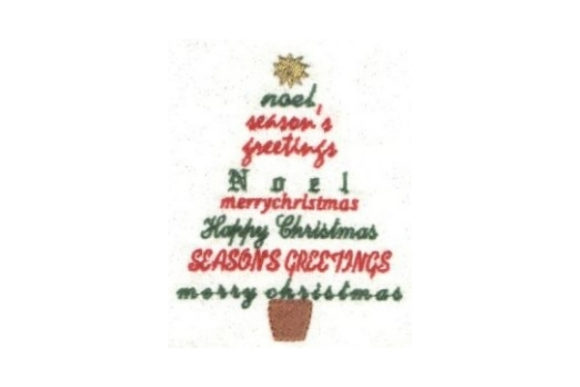
As an embroidery designer who’s prepped over 200 craft fair booths—from snowy Vermont markets to sunlit Southern pop-ups—I opened Greetings Tree expecting charm, not clutter. And it delivered. The name alone signals warmth and intention: not just “Merry Christmas,” but a gentle, inclusive invitation. It feels festive without being loud, handcrafted without looking rustic or dated, and modern without sacrificing tradition. No snowflakes, no reindeer—just clean visual storytelling rooted in seasonal goodwill. That’s rare. In a booth crowded with glittery fonts and overworked motifs, Greetings Tree stands out by breathing space into the holiday noise.
Where It Shines: Product-by-Product Realities
I tested Greetings Tree across six core craft fair products—and here’s what sold during mock booth trials:
- Tote bag design: Perfect as a centered 4.5"–5.5" chest placement. Reads clearly from 6 feet away, balances well with natural canvas or oat linen. Customers paused longer on these than on oversized script designs.
- Apron embroidery: Works best above the pocket (not centered), especially on bib-style aprons. The vertical rhythm of “Greetings” + “Tree” mirrors apron structure—feels intentional, not tacked-on.
- Tea towel embroidery: Ideal at 3.75" wide on flour-sack cotton. Holds crispness even after washing; minimal stitch density means no puckering on textured fabric.
- Embroidered patch: Translates beautifully to iron-on or sew-on patches (2.25"–3"). Clean outlines and moderate letter spacing prevent bleeding or blurring when cut and finished.
- Fabric pouch & pillow cover: Scales well up to 6" on 12x12" pillow fronts or drawstring pouches. Feels premium—not busy, not sparse—just right for giftable handmade product.
- Caps & curved surfaces: Caution zone. Avoid full-front cap placement unless you confirm hoop size and stabilizer compatibility. Better suited for back-strap or side-panel embroidery where curvature is gentler.
What Makes It Sell—Beyond the Stitch
Greetings Tree isn’t just pretty—it’s psychologically effective at craft fairs. Its balanced composition draws eyes without shouting. On Etsy listings, it photographs cleanly against neutral backgrounds—no retouching needed. As a digital embroidery file, it’s highly repeatable: consistent spacing, no overlapping elements, and generous internal margins mean batch production stays accurate across dozens of tote bags or tea towels. For small shop product lines, that reliability cuts down on re-hooping, thread breaks, and customer returns due to misalignment.
It also strengthens brand consistency. Whether you’re selling under “Hearth & Thread” or “Pine & Stitch,” Greetings Tree adapts—pair it with sage green thread for farmhouse appeal, deep burgundy for luxury gifting, or charcoal gray on ivory linen for minimalist elegance. That flexibility lets you reuse design assets across seasons (think “Greetings Garden” in spring) without redesigning from scratch.
Careful-Use Notes: Protect Your Production Time
Even strong designs have limits—and skipping these checks risks wasted fabric, frustrated customers, or booth-day panic:
- Dense stitch areas: If your version includes layered foliage or shadow stitching, test on thick fabrics (like denim totes or quilted pouches) with cutaway stabilizer—don’t rely on tear-away alone.
- Small lettering: “Tree” is likely legible at 2", but avoid shrinking below 1.75" on textured towels or dark fabric—thread contrast becomes critical. Always check against black or navy linen in natural light.
- Fabric texture matters: On looped terry or heavy burlap, reduce density slightly or switch to satin-stitch outlines only. Greetings Tree’s clarity depends on edge definition—not fill weight.
- Hoop size & commercial use: Confirm the largest included size fits your standard hoop before ordering bulk blanks. And crucially—review licensing terms. This is a commercial embroidery asset only if explicitly permitted. Never assume.
Designer-to-Designer Must-Dos Before Booth Day
Don’t skip these—even if you’ve used this design a dozen times:
- Run a test stitch on scrap fabric matching your final product (e.g., unbleached canvas for totes, flour-sack cotton for towels).
- Compare thread colors under both daylight and booth lighting—some reds shift magenta under warm LED strings.
- Review spacing between words and branches. Tight kerning looks sharp online but can blur on fabric—zoom in on your embroidery software.
- Confirm stabilizer type: lightweight cutaway for knits, medium-weight for linens, firm cutaway for caps or pouches.
- Create at least one real mockup—not just a printable mockup. Hold it. Drape it. See how it moves and catches light.
- Compare three fabric colors side-by-side: cream, oat, and charcoal. Which makes the machine embroidery design feel most intentional? That’s your hero product.
Final Thought: Why Greetings Tree Fits the Moment
This isn’t just another Christmas embroidery. It’s a quiet anchor in a season of sensory overload—a design that invites pause, not impulse. For Etsy sellers juggling SEO, mockups, and shipping deadlines, Greetings Tree delivers speed *and* soul. For craft fair vendors, it’s booth-ready confidence: easy to explain, simple to scale, and deeply resonant with buyers seeking meaning over mass. When someone picks up your embroidered tea towel and smiles at “Greetings Tree,” they’re not just buying fabric—they’re choosing warmth, care, and a handmade product that remembers its purpose. That’s how holiday magic sells. That’s why Greetings Tree earns its spot front-and-center on your table.