Stella Wine: A Thoughtful Embroidery Review for Real Projects
First Impressions: Playful, Polished, and Purpose-Built
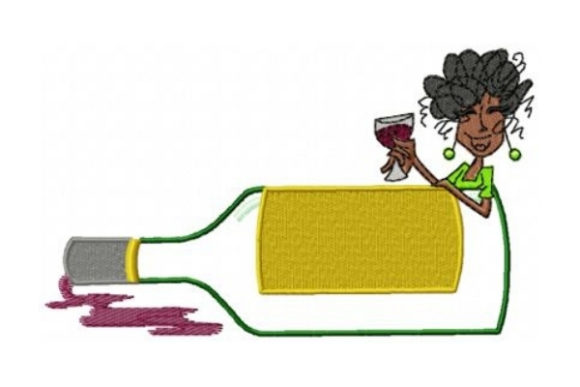
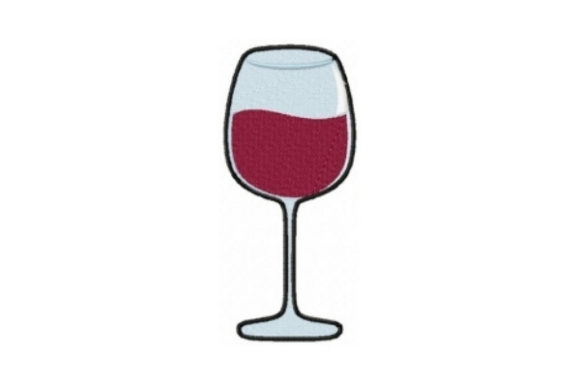
When I opened the Stella Wine machine embroidery design, what struck me wasn’t just the theme—it was the intention behind it. This isn’t a cluttered wine glass with vines spilling everywhere or an over-the-top script that reads like a cocktail menu. Stella Wine feels balanced: clean lines, confident curves, and a subtle sense of movement—like a pour caught mid-gesture. It leans into charm without sacrificing clarity, which matters immensely when you’re stitching on real fabric, not just previewing in software.
I immediately pictured it stitched onto a natural linen tea towel for a boutique kitchen line—and then, just as easily, on a soft cotton baby onesie for a “Mom’s First Sip” gift set. That versatility isn’t accidental. The layout avoids tight corners and micro-details that vanish at 3” wide. There’s breathing room around key elements—no overlapping satin stitches that risk puckering, no fragile stems that’ll fray after two washes. It’s designed to hold up, not just look cute in a thumbnail.
Where Stella Wine Shines (and Where It Needs Care)
In practice, Stella Wine works beautifully on medium-weight woven fabrics: canvas tote bags, structured aprons, midweight sweatshirts, and pillow covers with tight weaves. On a recent custom order—a set of embroidered linen napkins for a local wine bar—I used it at 2.8” wide with a light tear-away stabilizer underneath. The fill stitch held evenly, the satin-stitched rim stayed crisp, and the overall density felt generous but not heavy. Customers commented on how “clean” and “hand-finished” it looked—not like mass-produced clip art stitched on.
That said, it’s not a one-size-fits-all solution. On stretchy knits (think lightweight t-shirts or baby bodysuits), I’d recommend testing with cut-away stabilizer *and* a topping—especially if the design includes fine outlines. Thin fabrics like voile or chambray need extra support too; otherwise, the stitch density can telegraph through or distort the surface. And while it reads well on dark fabric with high-contrast thread (navy + cream, black + gold), avoid low-contrast combos—like charcoal thread on charcoal fabric—unless you’re intentionally going minimalist (and even then, test first).
Curved surfaces—caps, beanies, curved pillow edges—require thoughtful placement. Stella Wine has gentle curves, but its central motif doesn’t wrap well. I’d avoid centering it on a cap front unless using a smaller scale version or pairing it with a simple border element to anchor it visually. Same goes for tiny hoops: below 3.5”, some subtlety in the stem or base detail starts to compress. Not a dealbreaker—but know your limits before hooping.
Real Use, Real Impact: From Etsy Listings to Boutique Shelves
As an Etsy seller and small shop owner myself, I judge designs not just by how they stitch—but by how they sell. Stella Wine performs strongly here. Its mood is warm, inclusive, and quietly sophisticated—no clichés, no forced humor. That makes it ideal for curated collections: think holiday gift bundles (“Wine & Cozy”), bridal shower favors (stitched on muslin drawstring bags), or personalized hostess gifts (embroidered on a canvas market tote). Buyers respond to authenticity, and this design delivers it.
For craft business owners building brand consistency, Stella Wine integrates smoothly. It pairs well with neutral fonts in mockups, holds up in both color and grayscale previews, and scales cleanly across product types—from 4” patches to 6” sweatshirt chest placements. I’ve used it as part of a larger digital embroidery file pack (paired with grape leaves and minimalist corkscrew motifs), and customers consistently note how cohesive the set feels—even though each element stands alone.
One thing I appreciate: it doesn’t scream “novelty.” That means it stays relevant beyond seasonal spikes. A customer who buys a Stella Wine-embroidered apron in May will still love it in November—and might return for matching oven mitts or a kitchen towel. That repeat potential matters for long-term craft business growth.
Practical Designer Notes Before You Stitch
- Always test on scrap fabric first—especially if using textured weaves (burlap, heavy twill) or blends. Stitch density interacts unpredictably with fiber content.
- Check thread color contrast early. A single off-tone thread can mute the entire design’s warmth. Try cream, burgundy, sage, or deep navy against natural or light gray backgrounds.
- Review stitch density in your editing software. If it feels overly dense for your fabric type, consider reducing fill density by 5–10%—not enough to change appearance, but enough to reduce stiffness and improve drape.
- Confirm hoop size compatibility. While the description says “comes with multiple,” verify which sizes are included before committing to a project timeline.
- Inspect small details at actual stitch-out size. Zoom in on the base of the stem and inner glass curve—do those areas resolve cleanly, or do they blur? That tells you whether it’s safe for baby embroidery or delicate holiday embroidery.
- Test in black-and-white mockups before finalizing listings. Does the shape remain legible without color cues? That’s critical for printable mockups and digital product previews.
- Use proper stabilizer for your fabric—and don’t skip it. Even on stable cotton, a light tear-away prevents shifting during satin-stitch passes.
- Confirm licensing terms before selling finished products or bundling Stella Wine into commercial embroidery kits. Some files allow unlimited handmade use but restrict digital resale.
Final Thought: A Design That Earns Its Place
Stella Wine isn’t flashy—but it’s reliable, expressive, and quietly smart. It fits naturally into custom apparel, personalized gifts, and small shop merchandise without demanding attention or apologizing for simplicity. As a designer who’s stitched hundreds of wine-themed pieces, I can say this: it avoids the traps—overcomplication, visual noise, poor scalability—that make so many embroidery files frustrating to use in real life.
If you’re choosing a machine embroidery design for a client’s wedding favor, your next Etsy launch, or a batch of boutique-branded tote bags, Stella Wine earns its spot not because it’s trendy, but because it’s thoughtfully built for the work ahead.